TMJ Arthrocentesis: A Minimally Invasive Solution for Jaw Pain Relief
Temporomandibular joint (TMJ) disorders can significantly impact daily life—causing chronic pain, jaw stiffness, headaches, and difficulty chewing or speaking. One effective and minimally invasive treatment option that’s gaining popularity among specialists is TMJ arthrocentesis.
In this post, we’ll explore what TMJ arthrocentesis is, how it’s performed, who it’s for, and what you can expect from recovery—helping you decide whether it might be the right treatment for your jaw pain.
What Is TMJ Arthrocentesis?
TMJ arthrocentesis is a minimally invasive procedure that involves flushing the temporomandibular joint with a sterile solution. This is done to remove inflammatory byproducts, release adhesions, and improve joint mobility.
Unlike more invasive TMJ surgeries, this procedure doesn’t require incisions or general anesthesia. It’s often performed under local anesthesia or light sedation in an outpatient setting.
How Does TMJ Arthrocentesis Work?
The procedure typically involves the following steps:
- Local anesthesia is applied to numb the area.
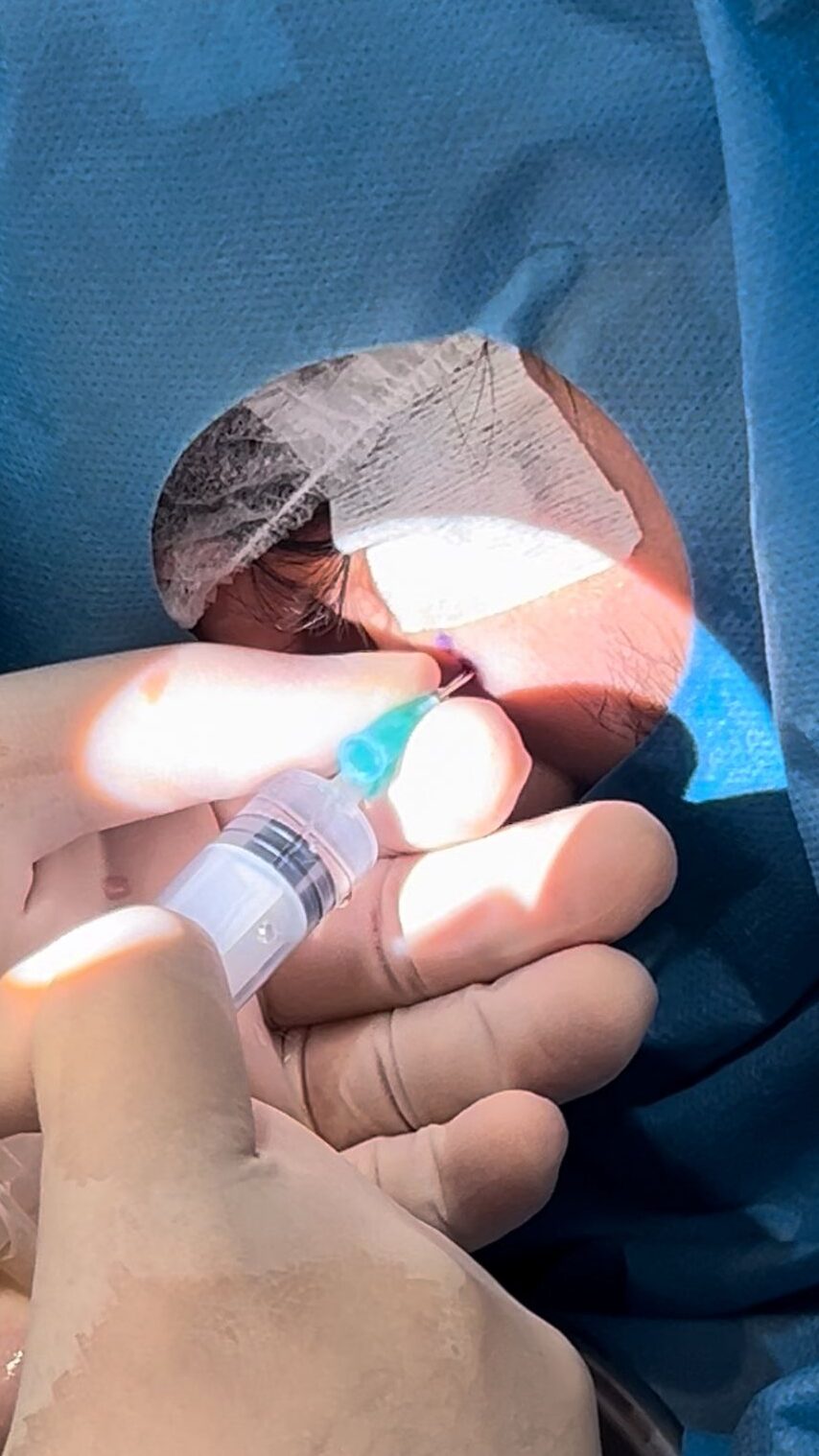
- Two small needles are inserted into the TMJ space.
- A sterile saline or Ringer’s lactate solution is flushed through the joint to remove debris, inflammatory mediators, and improve lubrication.
- In some cases, medications like corticosteroids or hyaluronic acid may be injected to enhance healing and reduce inflammation.
The procedure usually takes less than 30 minutes.
Who Can Benefit?
Arthrocentesis is especially beneficial for patients who:
- Experience limited mouth opening (trismus)
- Suffer from acute or chronic TMJ pain
- Have joint locking or clicking
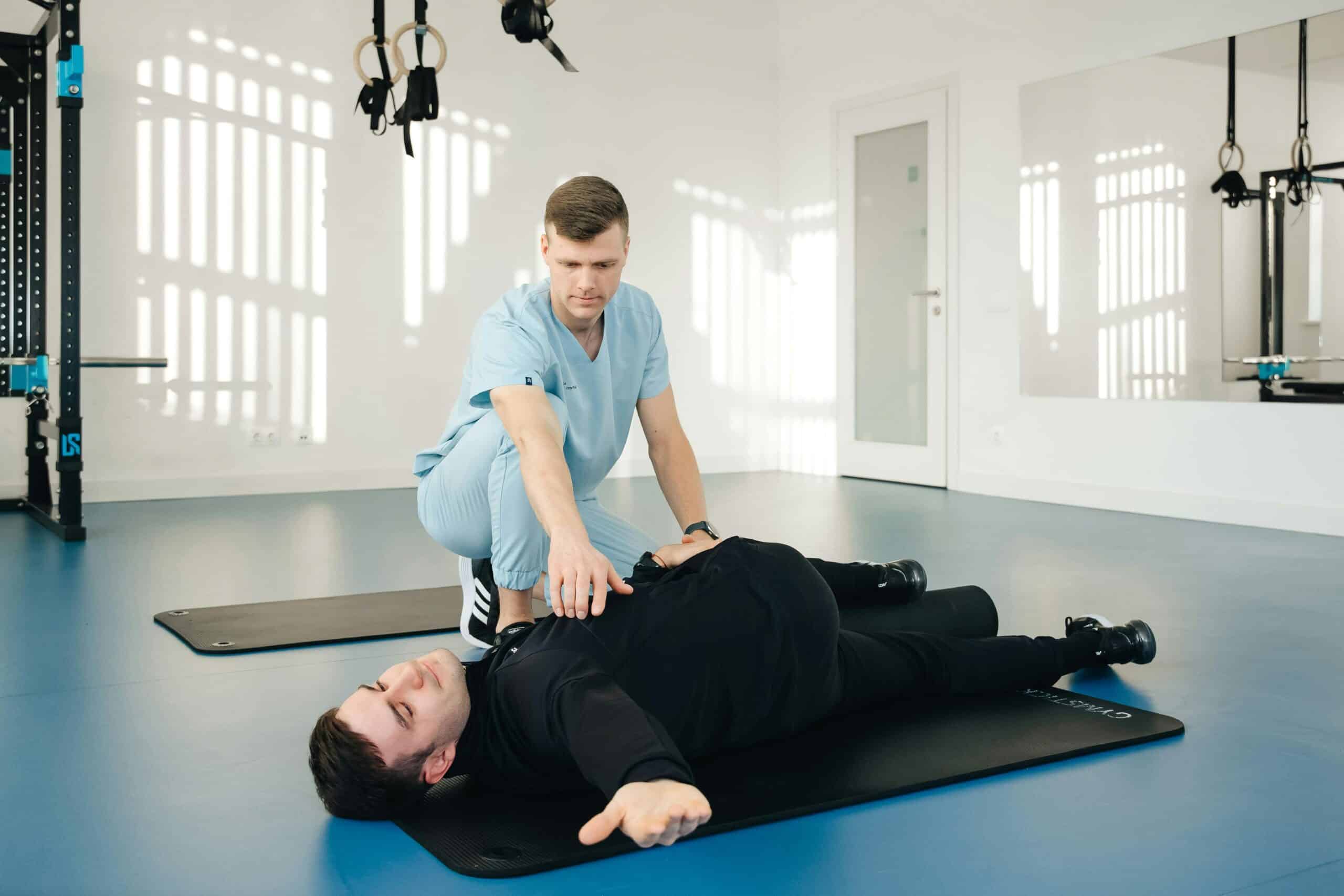
- Have not responded well to conservative treatments like splints or physical therapy
It is particularly effective for early-stage internal derangements without significant bone degeneration.
Advantages of Procedure
- ✅ Minimally invasive
- ✅ Quick recovery time
- ✅ Performed on an outpatient basis
- ✅ Significantly reduces joint pain and improves mobility
- ✅ Lower complication risk compared to open surgery
What to Expect After the Procedure
Most patients experience immediate improvement in jaw movement and pain reduction after the procedure. Mild discomfort or swelling at the injection site may occur but typically resolves within a few days.
Post-procedure recommendations often include:
- Soft diet for a few days
- Jaw exercises as prescribed
- Pain management with over-the-counter medication if needed
Follow-up visits ensure progress and help prevent recurrence.
Is This Treatment Right for You?
TMJ arthrocentesis offers a safe, effective, and less invasive option for patients struggling with TMJ dysfunction. If you’ve tried conservative treatments without success, this procedure might be your next step toward lasting relief.
Consult with a TMJ specialist to determine whether arthrocentesis is suitable for your condition.