What is Bruxism? How is it Treated? Causes, Symptoms & Solutions
In this article, we will focus on bruxism, one of the most important issues that concerns the neuromuscular system and the chewing system.
What is Bruxism?
Bruxism is a common condition characterized by the involuntary grinding, clenching, or gnashing of teeth. It often occurs during sleep (sleep bruxism), but some people also grind their teeth while awake (awake bruxism). Although it may seem harmless at first, chronic bruxism can lead to serious dental problems, jaw disorders, headaches, and disrupted sleep.
What Causes Bruxism?
The exact cause of bruxism is not always clear, but several factors may contribute:
- Stress and Anxiety: Psychological stress is one of the most common triggers.
- Sleep Disorders: Bruxism is often linked to sleep apnea and snoring.
- Dental Malocclusion: Misalignment of teeth can lead to abnormal bite forces.
- Lifestyle Factors: Caffeine, alcohol and smoking increase the risk.
- Medications: Certain antidepressants and psychiatric medications may cause bruxism as a side effect.
- Neurological Conditions: Disorders such as Parkinson’s disease may be associated with bruxism.
Common Symptoms of Bruxism
- Audible teeth grinding during sleep
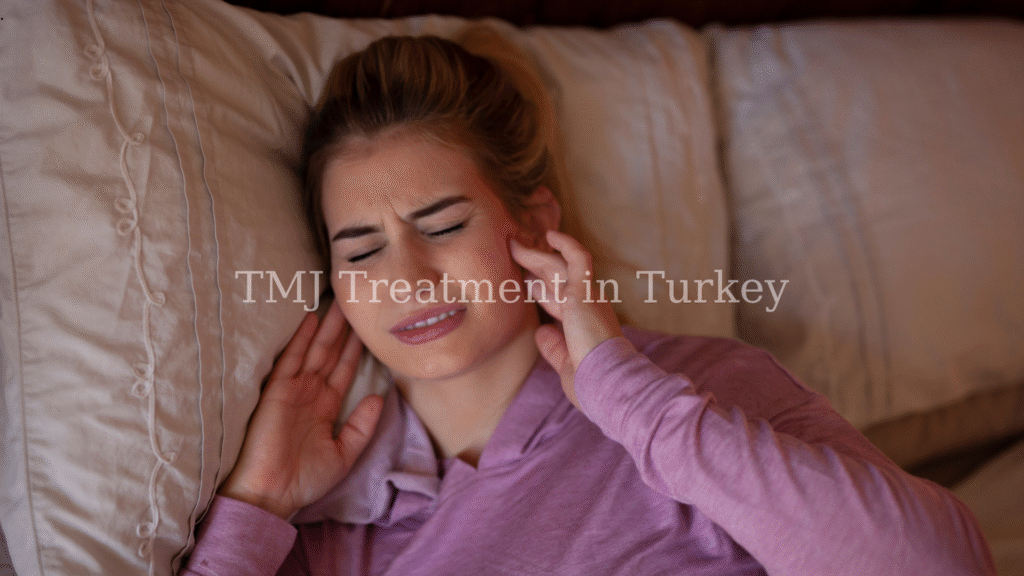
- Jaw pain or tightness, especially after waking up
- Headaches, particularly in the temples
- Worn, chipped, or flattened teeth
- Increased tooth sensitivity
- Damage to the inside of the cheeks
- Disturbed sleep
If you experience any of these symptoms, it’s important to consult a TMJ specialist.
How is Bruxism Diagnosed?
Diagnosis typically begins with a chewing system examination. Your physician may look for signs of tooth wear, enamel damage, or muscle tenderness. In some cases, sleep studies or referrals to a specialist in temporomandibular joint (TMJ) disorders may be recommended for further evaluation.
Treatment Options
1. TMJ Splint:
Custom-made dental appliances worn during sleep or awake can protect teeth and relieve pressure on the chewing system. The splint not only relaxes the muscles, but also has an orthopedic effect on the entire chewing system, which is important for the jaw joints.
2. Stress Management:
Relaxation techniques such as mindfulness, yoga, and cognitive behavioral therapy (CBT) can help reduce daytime clenching and nighttime grinding.
3. Botox Injections:
Botulinum toxin can be used to weaken the overactive jaw muscles, providing relief in moderate to severe cases.
4. Dental Corrections:
In cases where malocclusion is a factor, orthodontic treatments or restorative dentistry may be necessary.
5. Medication:
Muscle relaxants or anti-anxiety medications might be prescribed on a short-term basis.
6. Lifestyle Changes:
Reducing caffeine, alcohol, and tobacco use may significantly decrease symptoms.
7. Neural Therapy:
Neural therapy is a complementary treatment for bruxism that involves injecting local anesthetics into specific nerve points to reset nerve function. It may help reduce jaw tension, pain, and involuntary muscle activity by calming the nervous system and improving regulation.
8. Aromatherapy:
Aromatherapy can help manage stress-related bruxism by promoting relaxation and better sleep. Calming essential oils like lavender and chamomile may reduce jaw tension and anxiety, supporting other treatments such as custom splint or stress therapy.
When to See a Specialist
If bruxism is causing chronic muscle pain, damaging your teeth, or affecting your quality of life, it’s time to seek professional help. TMJ specialists and experienced dental practitioners can offer targeted therapies that go beyond basic physiotherapy.