Living with TMJ Disorders: A Global Perspective on Diagnosis and Treatment
Temporomandibular Joint (TMJ) disorders affect millions of people around the world, impacting daily activities like speaking, eating, and even sleeping. While the symptoms are often similar, diagnosis and treatment methods can vary greatly depending on where you live. In this article, we explore TMJ care from an international perspective—looking at how different countries approach the condition, what innovative treatments are available, and how patients can manage their condition while traveling.
Understanding TMJ Disorders
TMJ disorders refer to a group of conditions affecting the jaw joint and surrounding tissues. Common symptoms include:
- Jaw pain or tenderness
- Clicking, popping, or grinding sounds
- Limited mouth opening
- Headaches and earaches
While these symptoms are universal, access to specialists, diagnostic tools, and treatment plans may differ across countries.
How TMJ is Diagnosed Around the World
The diagnostic process often starts with a clinical examination, but advanced methods vary:
- United States & Canada: Digital panoramic X-rays, MRI scans, and CBCT imaging are widely used for detailed joint assessment.
- Europe: Many countries combine physical examination with MRI, focusing on conservative treatment before surgery.
- Asia: In Japan and South Korea, advanced imaging and bite force analysis are common, supported by strong dental research programs.
- Turkey: Digital panoramic X-rays and MRI scans are frequently used as diagnostic tools. In our clinic in Türkiye, a detailed physical examination is an important part of the diagnosis.
This diversity in diagnostic approaches reflects differences in healthcare systems, technology access, and medical training.

Global Treatment Approaches
Treatment strategies vary significantly worldwide:
- Splint Therapy: Common in North America and Turkey, custom-made splints reduce pressure on the joint.
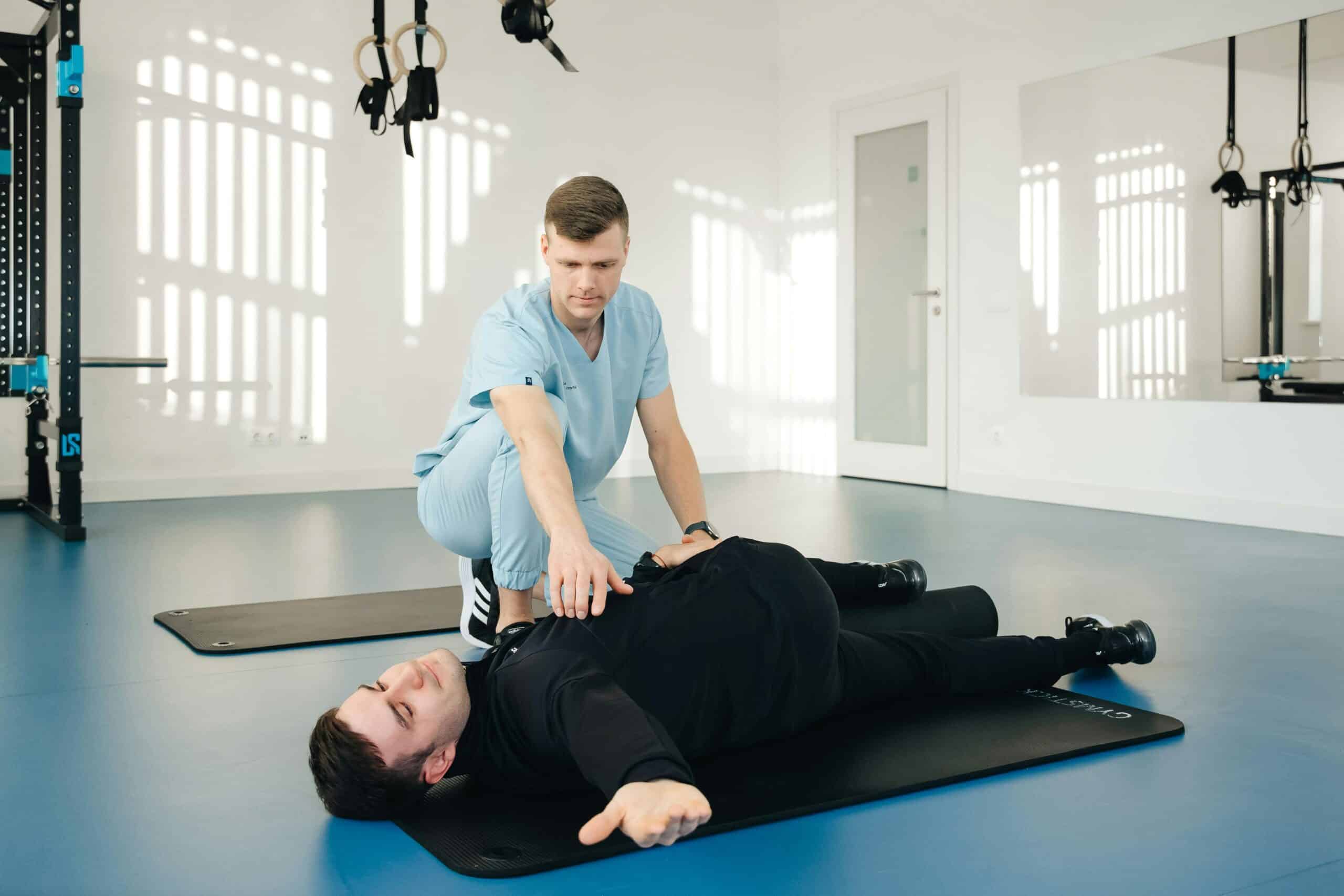
- Physiotherapy & Rehabilitation: Popular in Australia and Scandinavian countries, focusing on muscle relaxation and posture correction.
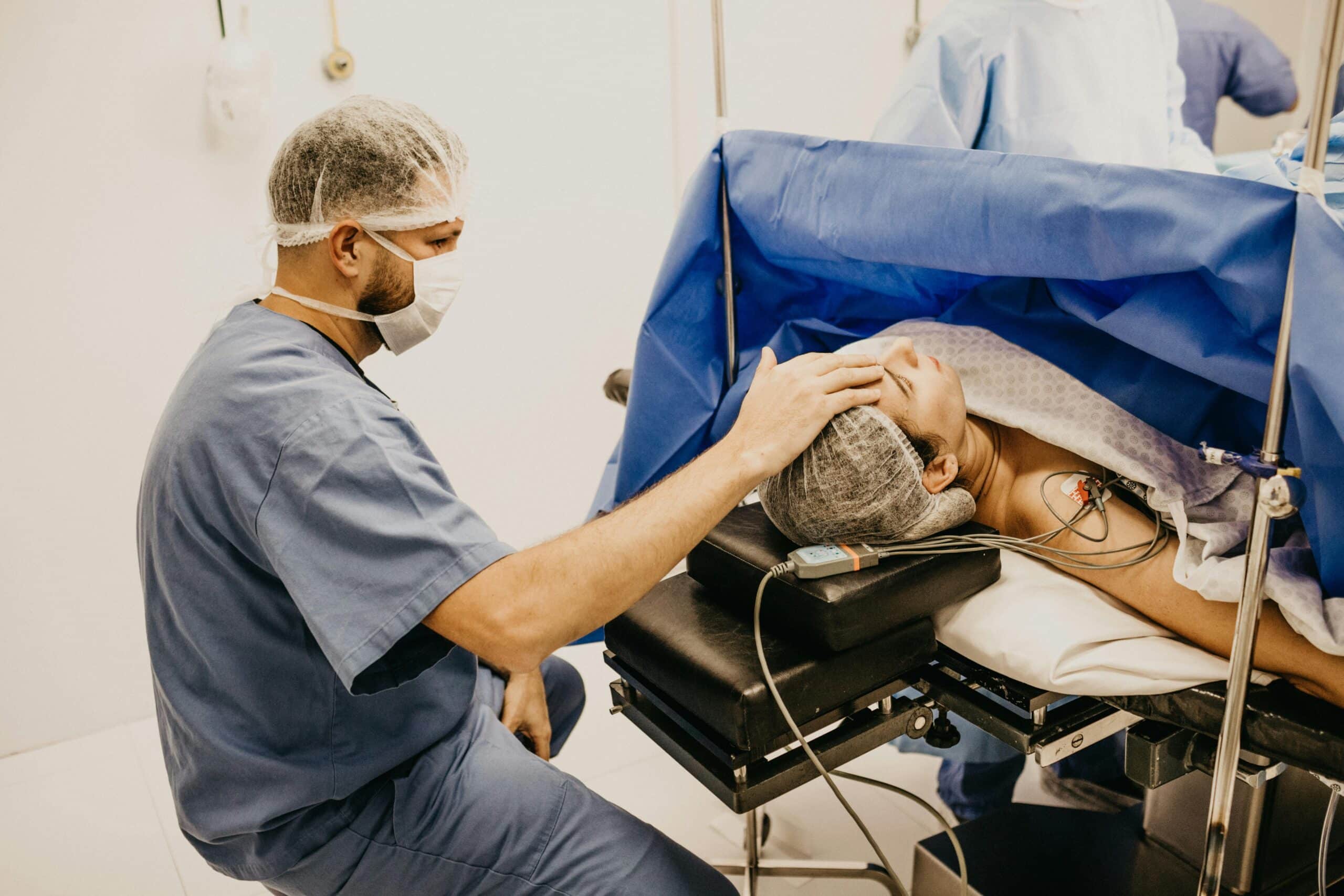
- Minimally Invasive Surgery: Arthrocentesis and arthroscopy are frequently performed in Turkey, Brazil, and Japan, offering quicker recovery times.
- Botulinum Toxin Therapy: Gaining popularity in the United States and South Korea for muscle-related TMJ pain.
Patient Stories from Different Countries
Sharing patient experiences can be both educational and reassuring:
- Russia: Anna found relief through splint therapy and guided jaw exercises.
- Turkey: Mehmet underwent arthrocentesis and returned to work within a week.
- Australia: Emma combined physiotherapy with mindfulness to manage stress-related jaw pain.
Tips for Traveling with TMJ Disorders
For international patients or frequent travelers, planning ahead is essential:
- Carry your splint or oral appliance in a protective case.
- Research dental or TMJ specialists.
- Maintain a soft diet during long trips to reduce jaw strain.
- Use hot/cold packs for flare-ups.
The Role of Health Tourism in TMJ Care
Countries like Turkey and Thailand are becoming popular destinations for TMJ treatment due to experienced specialists, advanced technology, and affordable costs. Many patients combine treatment with travel, benefiting from shorter waiting times and personalized care.
TMJ disorders may be a global challenge, but treatment possibilities are broader than ever. By understanding international approaches, patients can make informed decisions, whether seeking care at home or abroad. Ultimately, the key to successful TMJ management is a personalized plan based on accurate diagnosis and access to experienced professionals.