Clicking Sound in TMJ Disorders: Causes, Diagnosis, and Treatment
A clicking or popping sound in the jaw can be more than just an annoyance—it may be a sign of an underlying temporomandibular joint (TMJ) disorder. While occasional joint sounds are often harmless, persistent or painful clicking may indicate dysfunction in the TMJ, the hinge that connects your jawbone to your skull.
In this article, we’ll explore the potential causes of jaw clicking, how it’s diagnosed, and what treatment options are available to relieve symptoms and restore normal jaw function.
What Causes Clicking Sounds in the TMJ?
The TMJ is a complex structure involving bones, muscles, ligaments, and a small articular disc that helps the jaw move smoothly. Clicking or popping noises can result when this disc becomes displaced or damaged. Common causes include:
- Disc Displacement with Reduction: The most frequent cause, where the disc slips out of position when the mouth opens but then snaps back into place, creating a click.
- Arthritis: Degenerative changes in the joint can produce crepitus or crackling sounds, often accompanied by stiffness and pain.
- Trauma or Injury: A blow to the jaw or chronic teeth grinding (bruxism) can strain the TMJ and lead to irregular motion.
- Muscle Imbalance: Dysfunctional chewing muscles may alter the normal movement pattern of the jaw, leading to clicking sounds.
Is Clicking Always a Problem?
Not necessarily. Many people experience painless jaw clicking without any functional limitation. However, clicking should be evaluated by a specialist when accompanied by:
- Jaw pain or tenderness
- Difficulty opening or closing the mouth
- Frequent locking or dislocation
- Headaches or ear-related symptoms
These signs may indicate a TMJ disorder that requires targeted treatment.
How Is TMJ Clicking Diagnosed?
A thorough diagnosis typically includes:
- Clinical Examination: Assessing range of motion, palpating the joint, and listening for joint sounds.
- Imaging: MRI is the gold standard for evaluating disc position and joint structure. Panoramic X-rays or CBCT may also be used to rule out bone abnormalities.
- Functional Tests: Bite analysis or jaw tracking tools can help assess muscle and joint coordination.
A personalized evaluation is essential, as each case of TMJ clicking may stem from different anatomical or functional issues.
Treatment Options for TMJ Clicking
Treatment depends on the cause, severity, and associated symptoms. Options include:
- Conservative Therapy: Soft diet, warm compresses, jaw exercises, and behavior modification often relieve mild symptoms.
- Occlusal Splints: Custom-made TMJ Splints can stabilize the joint and reduce stress.
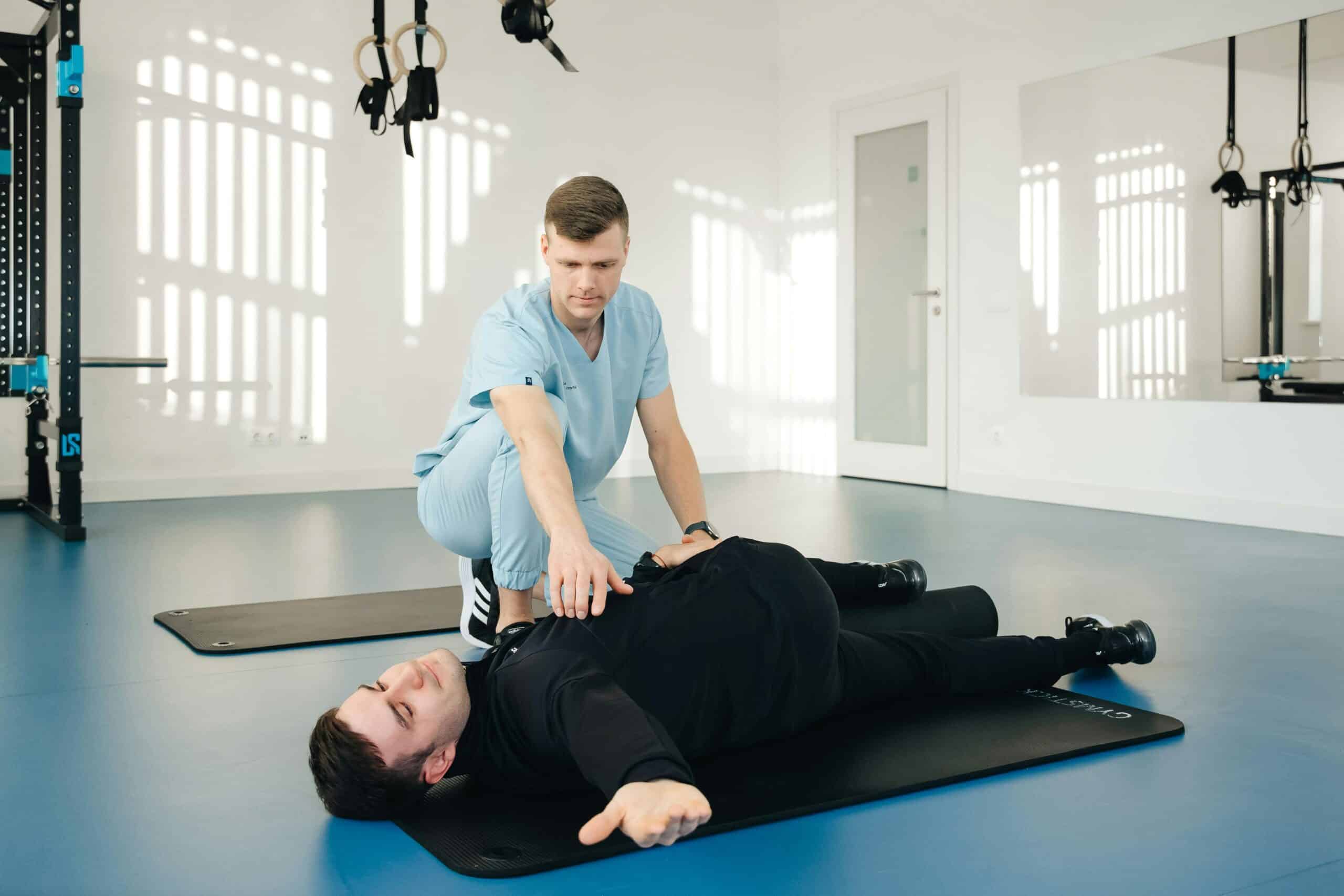
- Physical Therapy: Targeted exercises can improve coordination, reduce muscle tension, and support disc function.
- Minimally Invasive Procedures: In resistant cases, arthrocentesis or TMJ injections (e.g., hyaluronic acid or botulinum toxin) may be considered.
- Surgical Intervention: Rarely required, but necessary in cases with severe disc displacement or joint degeneration.
When to See a TMJ Specialist
If jaw clicking is persistent, painful, or affecting your quality of life, early intervention by a TMJ specialist can prevent long-term complications. Addressing the issue promptly improves treatment outcomes and helps preserve joint function.