What Is Bruxism? How Is It Treated? A Comprehensive Guide to Bruxism Treatment in Turkey
Bruxism is a common but often underestimated functional disorder characterized by involuntary clenching or grinding of the teeth. If left untreated, it can lead to severe tooth wear, chronic facial pain, temporomandibular joint (TMJ) disorders and long-term musculoskeletal complications.
What Is Bruxism?
Bruxism is defined as repetitive jaw muscle activity involving clenching, grinding, or thrusting of the mandible. It is classified into two main types:
- Sleep bruxism – occurs during sleep and is considered a sleep-related movement disorder.
- Awake bruxism – occurs during daytime and is usually associated with stress, concentration or emotional tension.
Bruxism is not merely a dental problem. It is a functional disorder involving the masticatory muscles, occlusion, and the temporomandibular joint.
What Causes?
Bruxism is multifactorial. The most commonly accepted etiological factors include:
- Psychological stress and anxiety
- Central nervous system dysregulation
- Sleep disturbances and obstructive sleep apnea
- Postural and cervical spine problems
- Hormonal problems
- Digestive system problems
Current scientific evidence suggests that bruxism is primarily neuromuscular in origin, rather than being caused solely by malocclusion.
Common Symptoms
Patients may present with:
- Flattened or fractured teeth
- Tooth hypersensitivity
- Jaw stiffness and fatigue upon waking
- Chronic headaches and temporal pain
- Ear-related complaints without otologic pathology
- Clicking or pain in the temporomandibular joint
- Limited mouth opening
In many cases, bruxism is first detected during a routine dental or TMJ examination.
How Is Bruxism Diagnosed?
A comprehensive diagnosis includes:
- Detailed clinical examination of tooth wear and muscle tenderness
- TMJ functional assessment
- Evaluation of mandibular range of motion
- Occlusal analysis
- Review of sleep history and lifestyle habits
- Radiological imaging when TMJ pathology is suspected
In specialized centers in Turkey, advanced diagnostic protocols are applied to differentiate bruxism from other orofacial pain disorders.
How Is Bruxism Treated?
There is no single universal treatment for bruxism. The correct approach is individualized and multidisciplinary.
Occlusal Splint Therapy
Custom-made stabilization splints are widely used to:
- Reduce excessive muscle activity
- Protect teeth from further wear
- Decrease joint overload
- Improve neuromuscular balance
The design of the splint is crucial. Improper splints may worsen TMJ symptoms.
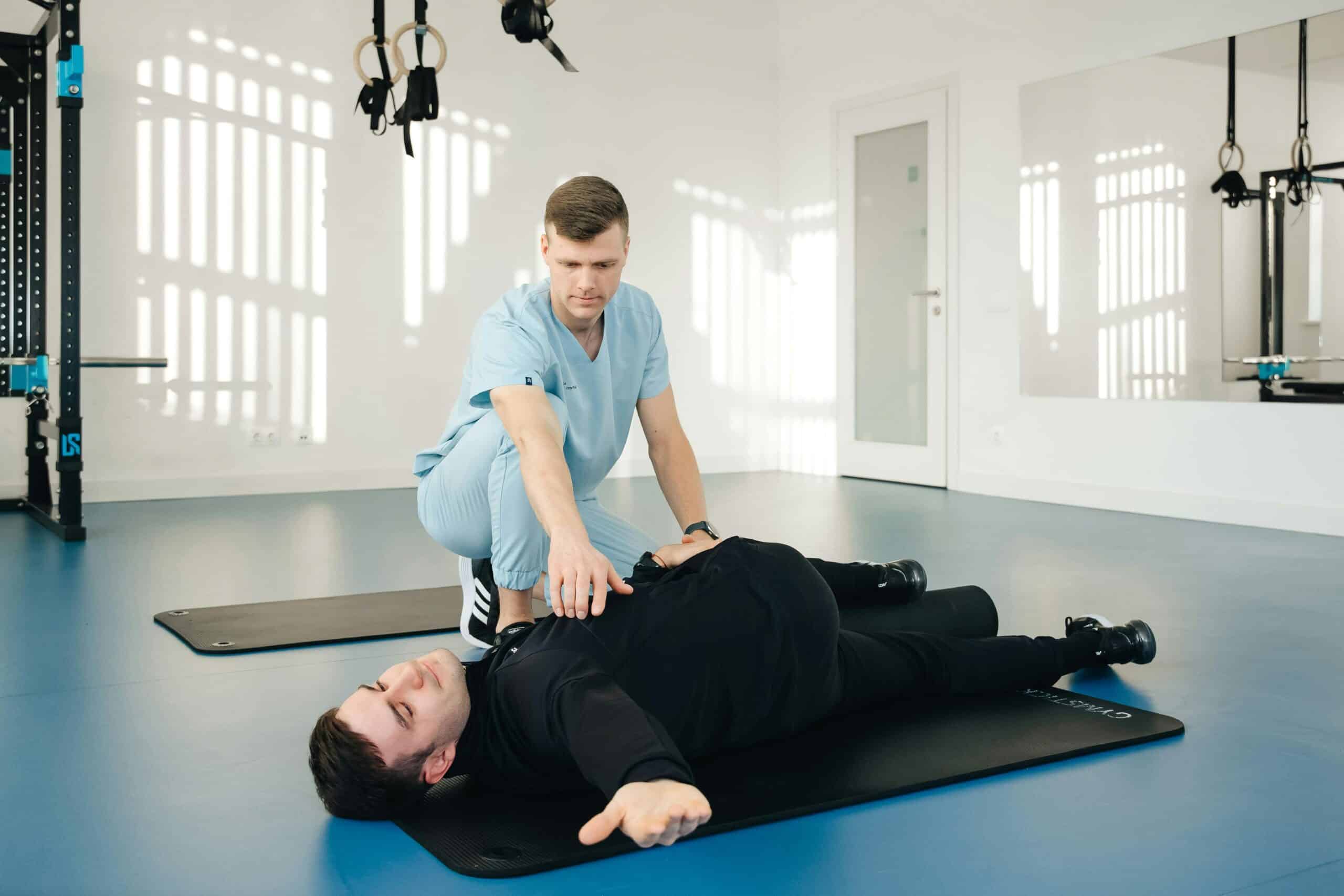
Physiotherapy and Musculoskeletal Rehabilitation
Physiotherapy plays a key role in long-term success:
- Masticatory muscle stretching and strengthening
- Cervical posture correction
- Manual therapy for myofascial trigger points
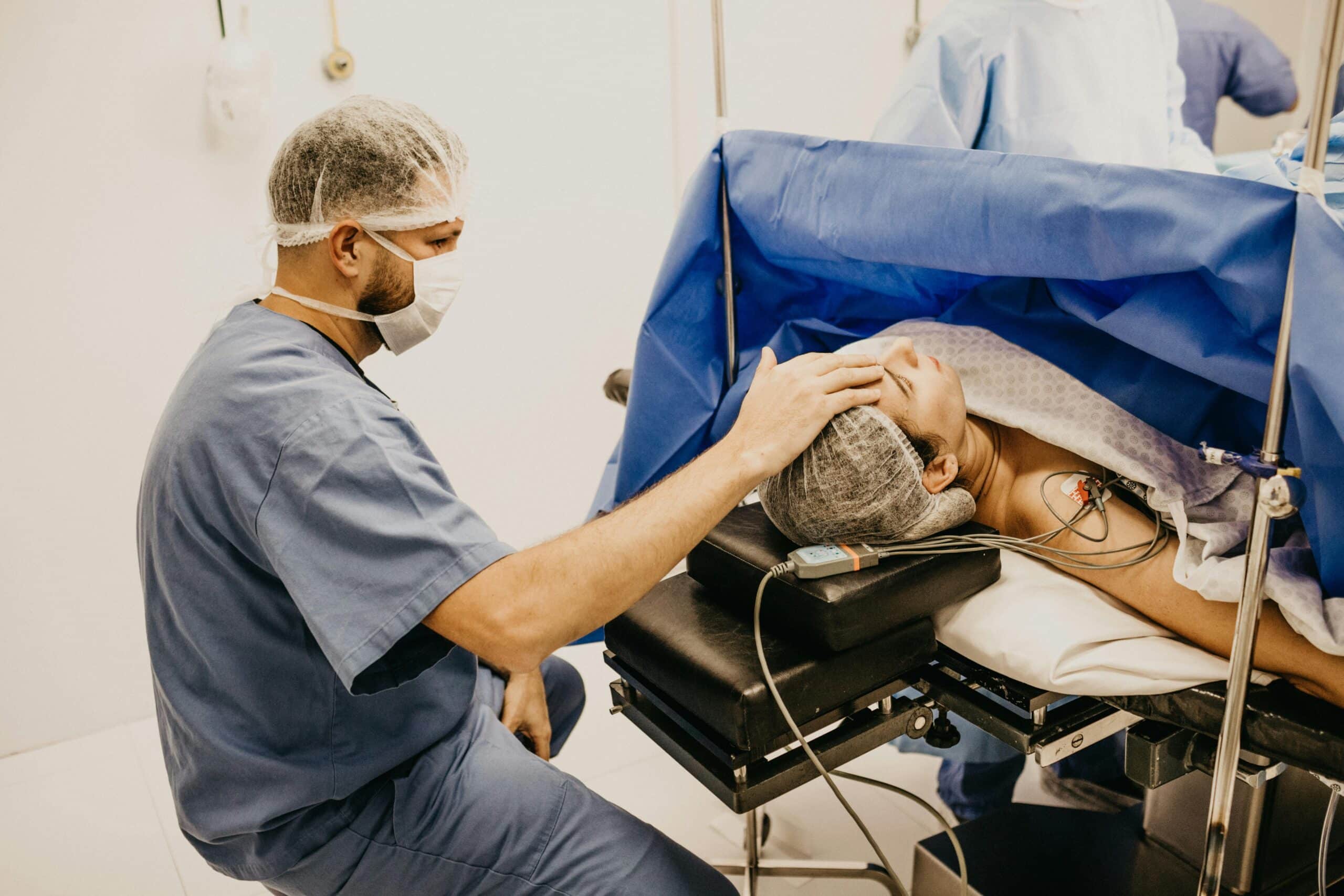
Botulinum Toxin Therapy
In selected cases with severe muscle hyperactivity, botulinum toxin injections into the masseter and temporalis muscles may be used to:
- Reduce clenching intensity
- Decrease muscle pain
- Improve functional comfort
This approach should be applied by clinicians experienced in functional anatomy and TMJ biomechanics.
Stress and Behavioral Management
Because awake bruxism is closely related to stress and emotional tension, behavioral interventions and lifestyle modifications are often necessary to achieve sustainable results.
Why Choose Bruxism Treatment in Turkey?
Turkey has become a major destination for advanced dental and maxillofacial care due to:
- Highly trained oral and maxillofacial surgeons
- Strong clinical experience in TMJ and orofacial pain disorders
- Modern diagnostic and imaging facilities
- Significantly lower treatment costs compared to Europe and the UK
- Short waiting times
In Antalya, specialized clinics such as Dr Osman Akıncı Clinic focus on functional jaw disorders and TMJ-oriented bruxism management rather than purely cosmetic or symptomatic approaches.
The Importance of TMJ-Focused Expertise
Bruxism is one of the leading risk factors for temporomandibular joint degeneration.
For this reason, evaluation by a clinician experienced in:
- TMJ biomechanics
- mandibular dynamics
- and surgical and non-surgical jaw joint treatment
is essential for patients who suffer from chronic or therapy-resistant bruxism.
Long-Term Outcomes and Prognosis
With correct diagnosis and individualized treatment planning:
- This treatment can significantly reduce pain intensity
- Teatment also can restore functional jaw movement
- Progression toward TMJ degeneration can be prevented
Early intervention remains the most important factor in successful long-term management.
Frequently Asked Questions (FAQ)
Is this a serious condition?
Yes. Untreated cases can lead to irreversible tooth damage, chronic facial pain and temporomandibular joint disorders.
Can this condition be completely cured?
This condition cannot always be completely eliminated, but its clinical consequences can be effectively controlled with proper treatment.
Are night guards enough?
In mild cases, yes. However, in patients with TMJ involvement or chronic pain, splint therapy alone is usually insufficient.
Is botulinum toxin safe for treatment?
When applied by experienced clinicians, botulinum toxin is considered safe and effective for reducing excessive muscle activity (Not suitable for all cases).
Why should I consider bruxism treatment in Turkey?
Turkey offers high-quality, specialist-driven care with modern facilities and internationally competitive treatment standards at more affordable costs.
GET IN TOUCH